Best Spas and Wellness Centers in Salt Lake City: Where to Relax and Recover
By PLUNJ · May 13, 2026
Salt Lake City has quietly become one of the most wellness-forward cities in the American West. Nestled at the foot of the Wasatch Mountains with world-class ski resorts 30 minutes away and a health-conscious population that spends more time outdoors than almost anywhere else in the country, SLC has the culture and the demand for serious wellness infrastructure.
The result: a growing collection of spas, wellness studios, and recovery centers that range from traditional day spas to cutting-edge contrast therapy facilities. Whether you're recovering from a marathon, unwinding after a high-pressure workweek, planning a date night, or simply investing in your long-term health, Salt Lake City has options worth knowing about.
This guide covers the best places to relax and recover in Salt Lake City, with a focus on the facilities that deliver the most meaningful, science-backed results.
What to Look for in a Salt Lake City Wellness Center
Before diving into specific recommendations, it's worth establishing what separates a great wellness center from a mediocre one. In a city with dozens of options, the differences matter.
Temperature control is non-negotiable for sauna and cold plunge facilities. A quality sauna should maintain 170–190°F with appropriate humidity levels. A cold plunge should hold a consistent 45–55°F. Anything outside these ranges either fails to trigger the physiological adaptations you're after or poses safety risks.
Cleanliness and maintenance are especially important for facilities involving water. Cold plunge pools, hot tubs, and communal baths require rigorous filtration and sanitation standards. Ask about turnover rates, filtration systems, and cleaning protocols—top facilities are transparent about this.
Staff expertise makes a significant difference, especially for newcomers to cold plunging or contrast therapy. Knowledgeable staff who can guide your session, explain the regimen, and answer questions transform a solo experience into something genuinely educational.
Space and ambiance affect your ability to actually relax. Overcrowded facilities undermine the restorative benefits you're seeking. Prioritize spaces that feel calm, intentional, and unhurried.
PLUNJ: Salt Lake City's Premier Contrast Therapy Studio
For those specifically seeking contrast therapy—alternating sauna and cold plunge—PLUNJ has established itself as the standout option in Salt Lake City. Founded with the mission of making elite-level recovery accessible, PLUNJ offers a focused, expertly executed contrast therapy experience in a premium facility environment.
What makes PLUNJ different:
The facility centers its protocol around what they call the PLUNJ Regimen: multiple rounds of sauna followed by cold plunge, with guided transitions and rest periods built in. This isn't a gym locker room sauna—it's a dedicated, purpose-built space designed for therapeutic contrast therapy.
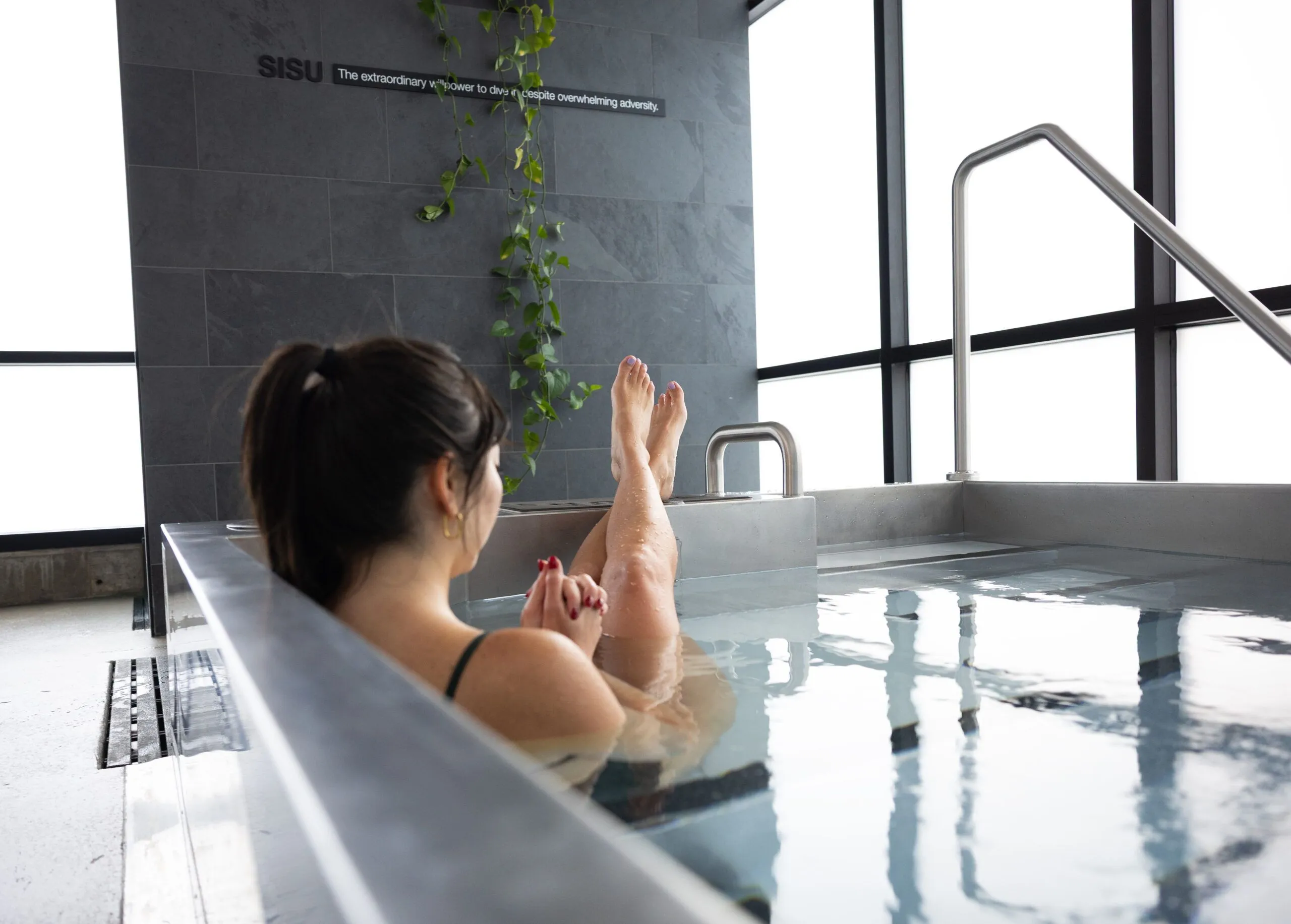
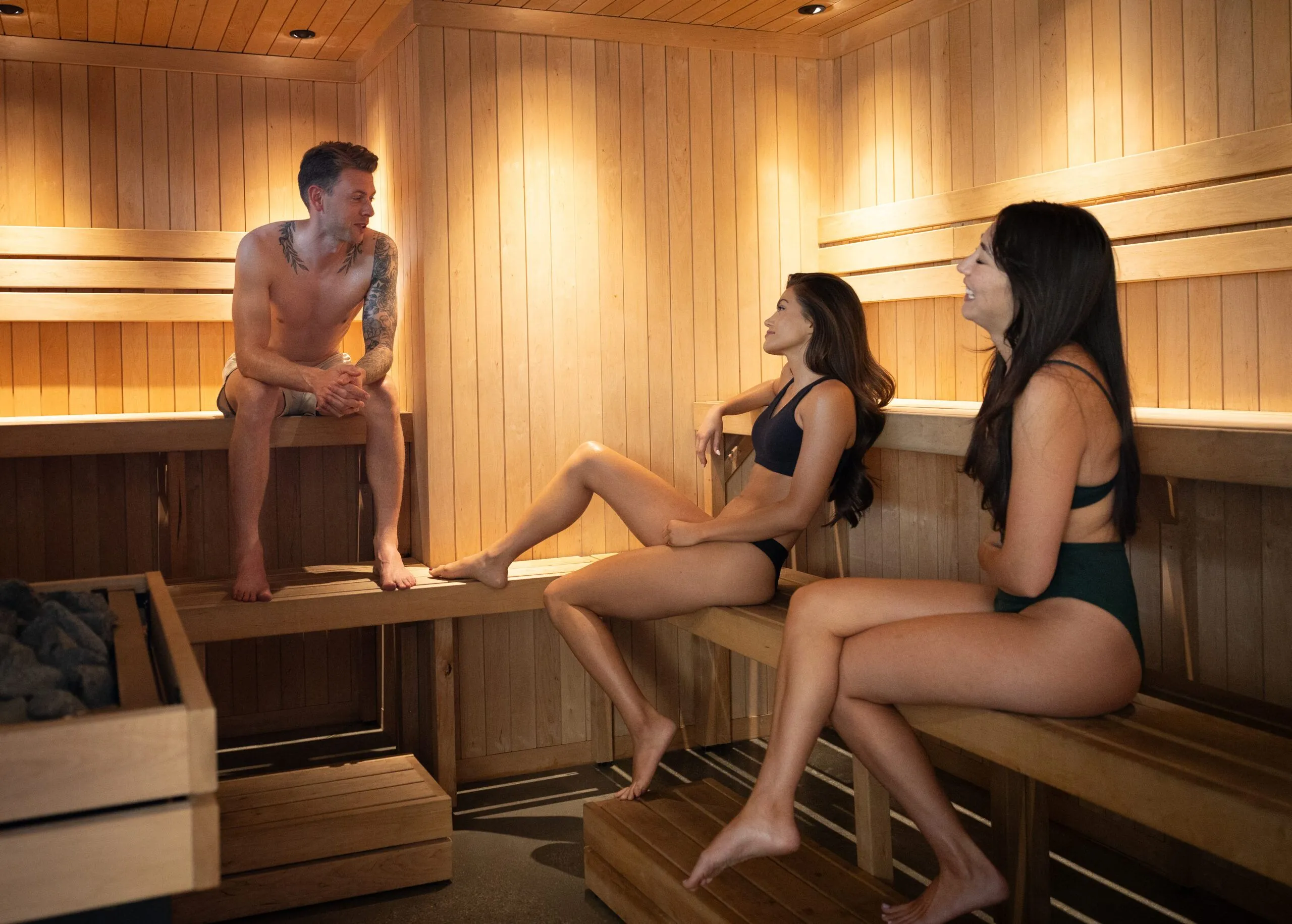
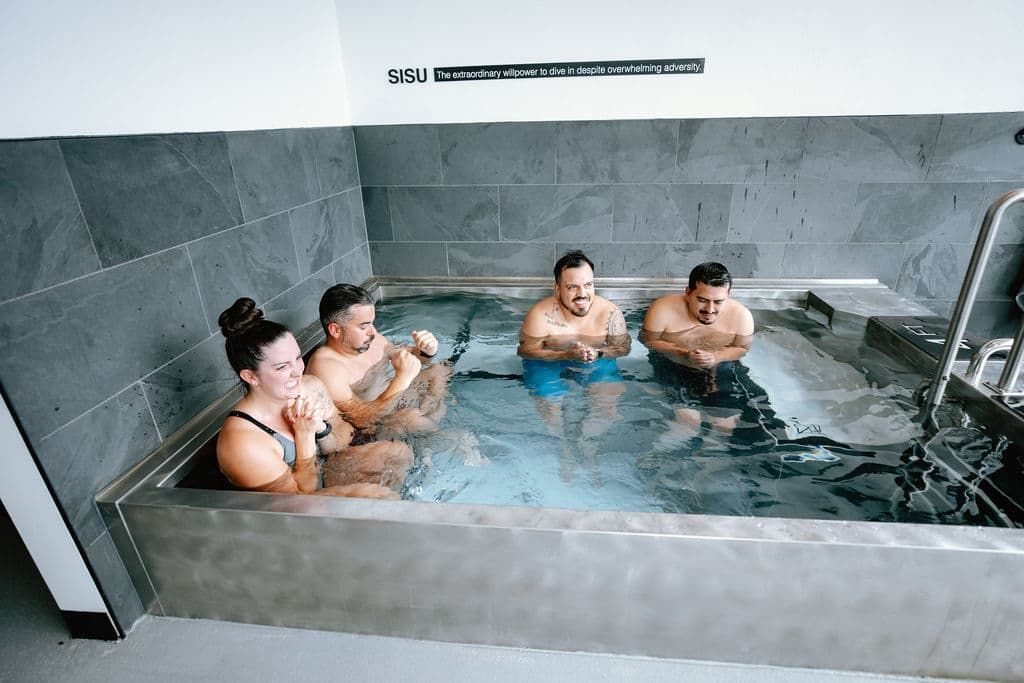
The sauna operates between 175–190°F with approximately 20% humidity—the range associated with optimal heat shock protein activation and cardiovascular adaptation. The cold plunge holds 45–50°F and accommodates up to four people, making it accessible for groups and couples without feeling crowded.
Sessions run 60 minutes with complete access to both the sauna and cold plunge, enough time to complete 2–3 full cycles of the PLUNJ Regimen. Staff are present to guide newcomers and answer questions, making the first session approachable even if you've never done contrast therapy before.
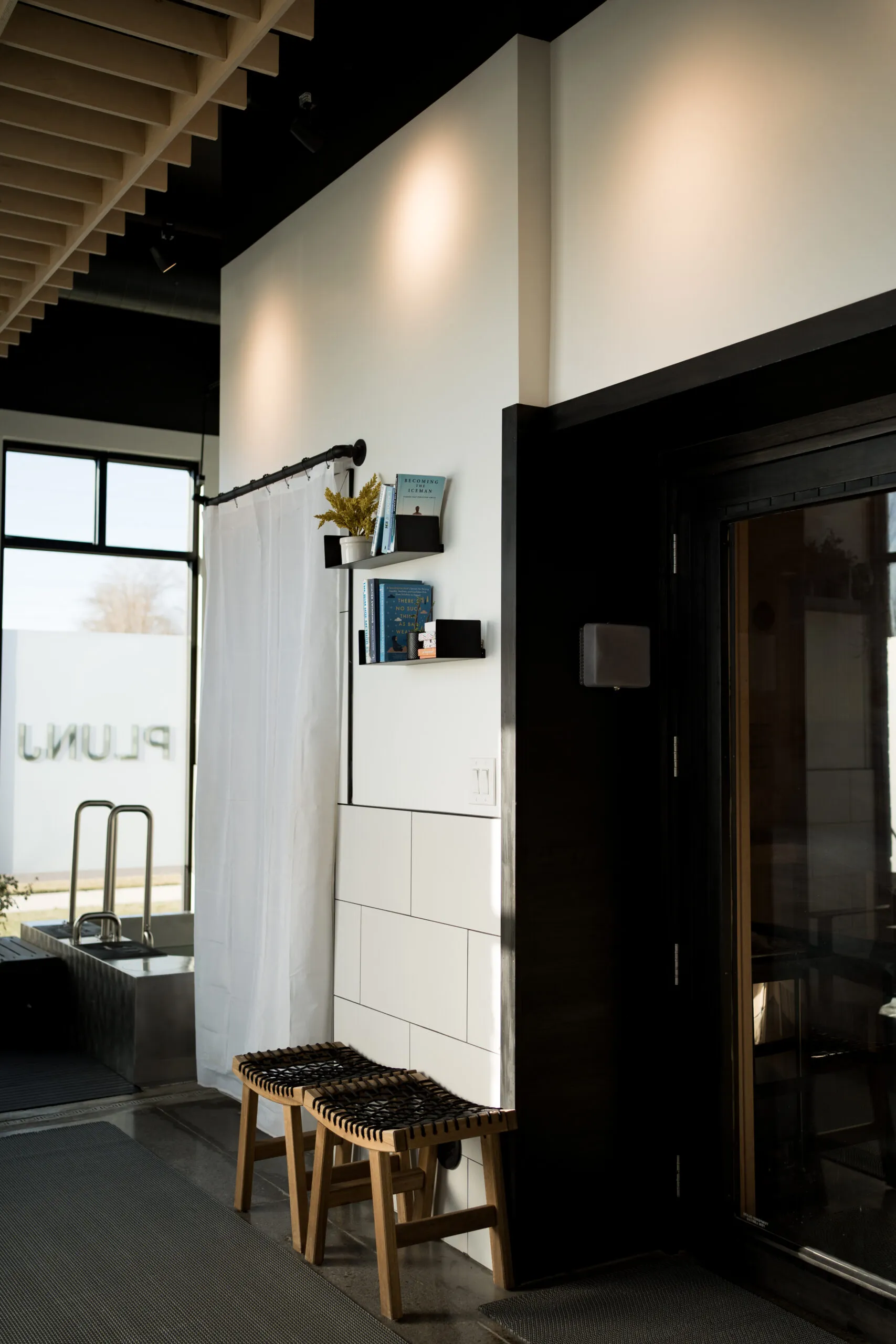
The facility's design reflects genuine attention to detail: clean locker rooms, quality towels, a quiet lounge area for post-session rest, and an overall aesthetic that reinforces calm rather than stimulation.
PLUNJ also offers memberships for those who want to build contrast therapy into a regular practice—the format that produces the most significant long-term benefits for circulation, recovery, and metabolic health.
Traditional Day Spas in Salt Lake City
For those seeking more traditional spa services—massage, facials, body treatments—Salt Lake City has several strong options that complement an active lifestyle.
Full-service day spas in Salt Lake's downtown and Sugar House neighborhoods typically offer Swedish and deep tissue massage, hot stone treatments, hydrotherapy add-ons, and skincare services. Prices range from $80–$200 for standard treatments depending on duration and type.
When evaluating massage services specifically for recovery purposes, look for:
- Licensed massage therapists with sports massage or myofascial training
- Deep tissue and trigger point options for muscular recovery
- Availability of add-on hydrotherapy (wet tables, infrared wraps)
- Booking flexibility for post-workout same-day appointments
Many traditional day spas in SLC have begun integrating contrast therapy elements—infrared saunas, cold showers—in recognition of the scientific evidence supporting these modalities. However, the integration is often minimal compared to dedicated contrast therapy studios.
Floatation Therapy
Salt Lake City has a small but dedicated floatation therapy community. Float tanks (also called sensory deprivation tanks or REST tanks) involve floating in a pod filled with body-temperature Epsom salt solution in complete darkness and silence. The experience eliminates virtually all sensory input, allowing the nervous system to fully downregulate.
Research on floatation therapy shows benefits for anxiety reduction, stress hormone normalization, and sleep improvement—outcomes that complement the cardiovascular benefits of contrast therapy. For people whose primary wellness goal is stress recovery rather than physical performance, floatation deserves a spot in the rotation.
Sessions typically run 60–90 minutes. Many practitioners report that the benefits accumulate with repeated sessions, with noticeable improvement after 3–5 floats.
Hot Springs Day Trips Near Salt Lake City
Within 30–90 minutes of downtown Salt Lake, several natural hot springs offer a more elemental form of thermal therapy. Crystal Hot Springs in Honeyville, Fifth Water Hot Springs near Spanish Fork, and Mystic Hot Springs in Monroe all offer varying degrees of developed facilities and remote natural pools.
Natural hot springs differ from controlled sauna environments in important ways—temperatures vary, sanitation standards are inconsistent in natural settings, and the experience is less predictable. But for those drawn to outdoor settings and willing to make the drive, these options offer a connection to thermal wellness that no urban spa can fully replicate.
Note that natural hot springs require appropriate preparation: wear water shoes in developed facilities, check current conditions before visiting (spring flooding can affect access), and plan for sun exposure at outdoor locations.
Cryotherapy Studios
A handful of cryotherapy studios operate in Salt Lake City, offering whole-body cryotherapy (WBC) as an alternative to cold water immersion. WBC involves standing in a chamber chilled to -100°F to -200°F for approximately 2–3 minutes, exposing the skin to extreme cold without full body immersion.
The research on cryotherapy vs. cold water immersion is still developing, but current evidence suggests cold water immersion produces more consistent physiological responses due to the superior thermal conductivity of water. Water transfers heat from the body approximately 25 times faster than air, meaning a 50°F cold plunge delivers significantly more thermal stress than a -100°F air chamber at the same duration.
That said, cryotherapy is accessible to people who find full cold immersion physically or psychologically challenging, and the acute effects on inflammation markers and perceived soreness are real.
Building a Complete Wellness Routine in Salt Lake City
The most effective approach to wellness isn't finding one perfect modality—it's building a complementary stack that addresses different aspects of recovery and health.
A well-structured Salt Lake City wellness routine might look like:
Contrast therapy 3x/week (PLUNJ or similar facility): addresses cardiovascular health, circulation, inflammation, and mood regulation
Weekly massage (deep tissue or sports massage): addresses myofascial tension, range of motion, and soft tissue recovery
Monthly float session: addresses nervous system regulation, stress recovery, and mental reset
Regular outdoor activity (hiking, skiing, cycling): addresses cardiovascular base fitness, vitamin D exposure, and the psychological benefits of nature
Each of these modalities reinforces the others. Contrast therapy improves vascular responsiveness, making massage more effective. Better circulation supports the tissue hydration that massage requires. Floatation deepens the relaxation that contrast therapy initiates. Outdoor activity provides the physical stimulus that makes recovery practices meaningful.
Why Salt Lake City Is Becoming a Wellness Destination
Several factors make Salt Lake City particularly fertile ground for wellness culture. The city's outdoor orientation—with ski season running November through April and hiking season picking up in spring—creates a population with genuine interest in performance and recovery. The presence of several major universities brings health research and a health-literate population. And the city's rapid growth has attracted wellness-oriented businesses serving a demographic that prioritizes health.
For visitors, Salt Lake City offers the unusual combination of world-class outdoor recreation and accessible urban wellness amenities within a compact, easy-to-navigate city. A weekend that combines morning skiing, an afternoon contrast therapy session at PLUNJ, and an evening exploring the city's restaurant scene represents a remarkably complete wellness experience.
For residents, the options covered in this guide offer the infrastructure to build a serious, sustainable wellness practice without leaving the city—and at price points that make regular attendance feasible rather than occasional.
Ready to experience Salt Lake City's best contrast therapy? Book a session at PLUNJ and discover why locals are making it part of their weekly routine.