Pre-Workout vs Post-Workout Contrast Therapy: Timing Your Paradise Valley Sessions
By PLUNJ · November 4, 2026
Before the gym or after it? The honest answer is that it depends on what you are training for. Here is how to choose.
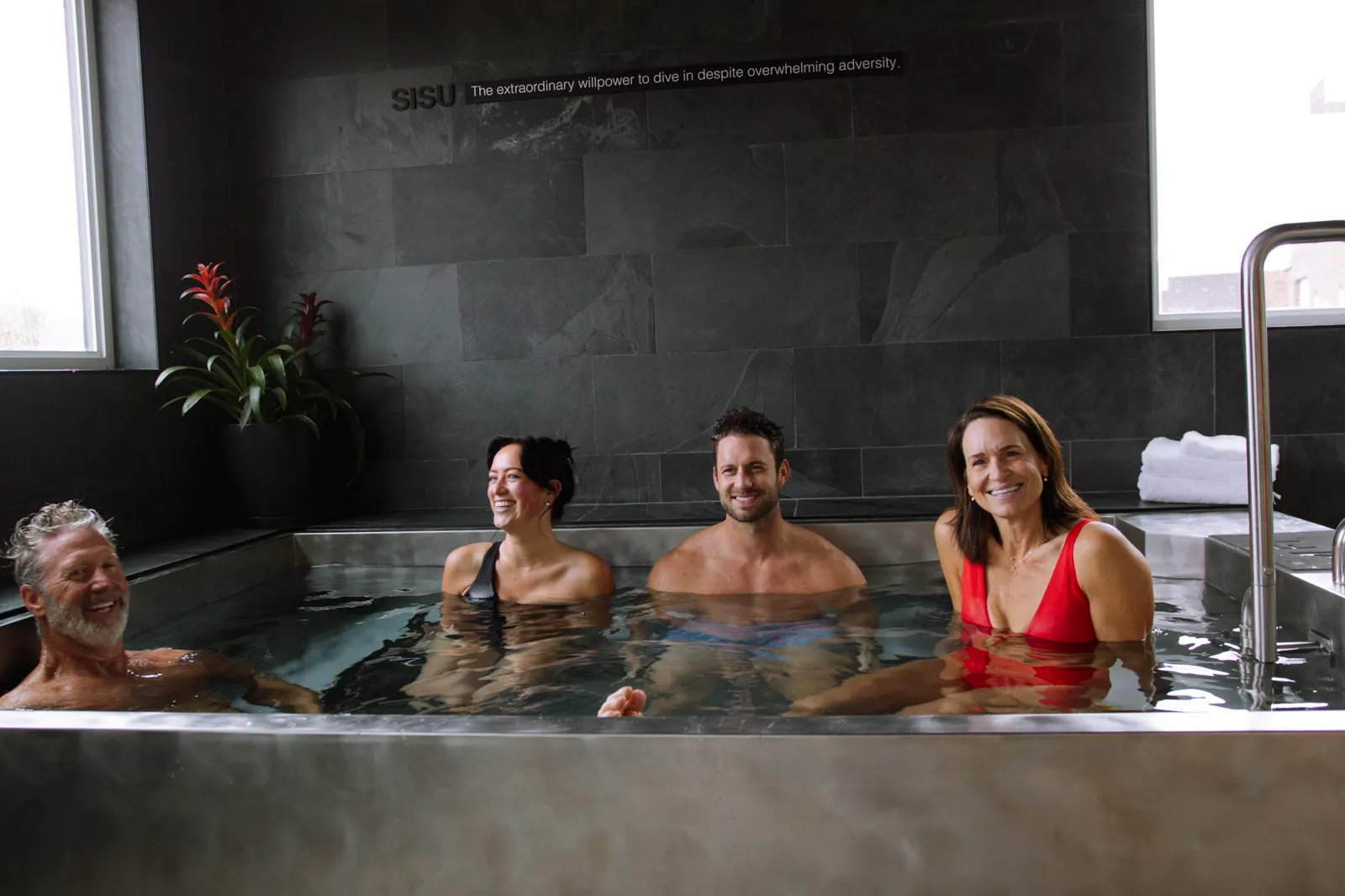
If you train in Paradise Valley, you have probably wondered where contrast therapy fits in your week. Timing changes what you get out of it, so it is worth planning.
A Quick Look at What Heat and Cold Do
Heat raises circulation, loosens muscles, improves mobility, and nudges your nervous system toward rest.
Cold calms inflammation, dulls soreness, and sharpens alertness by raising norepinephrine.
Exercise itself raises your core temperature, creates tiny muscle tears that begin the repair process, and elevates stress hormones. The right session timing either helps you prepare for that stress or recover from it.
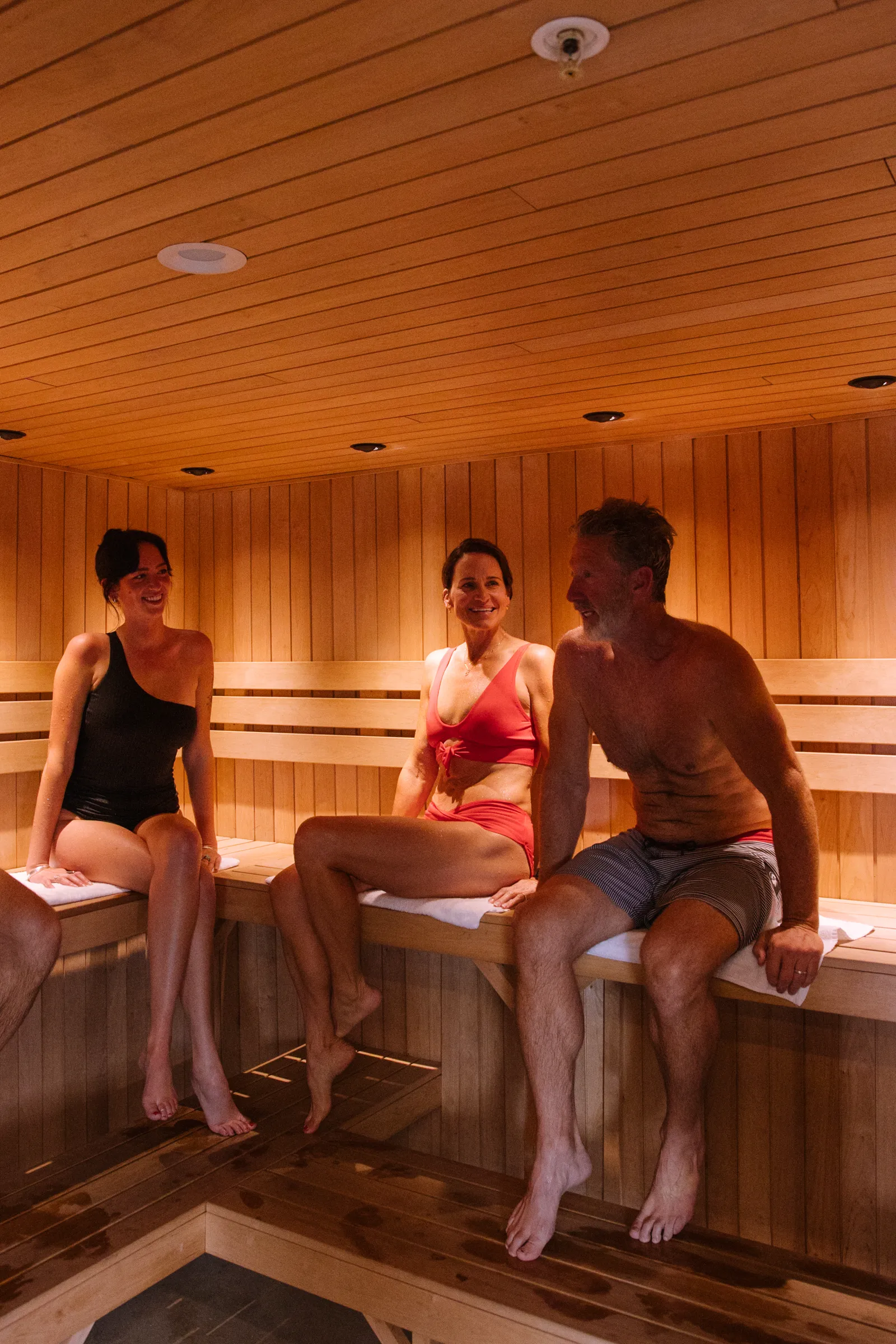
Before You Train: The Performance Approach
Best for: HIIT, competition practice, max-effort lifting, sluggish early mornings, and anyone who feels stiff.
Allow 30-60 minutes before your workout.
- Heat, 8-12 minutes. Warms tissue and improves range of motion.
- Cold, 2-4 minutes. A short plunge for focus, reaction time, and an energy lift without caffeine.
- Active warm-up, 10-15 minutes. Dynamic stretching and sport-specific movement.
You should walk into your workout awake, loose, and mentally locked in.
After You Train: The Recovery Approach
Best for: Heavy lifting, long endurance sessions, high-volume days, and anything likely to leave you sore.
Start within 15-30 minutes of finishing.
- Cool down, 5-10 minutes. Light stretching, slow breathing, water and electrolytes.
- Cold, 3-5 minutes. Helps manage inflammation and soreness.
- Heat, 10-15 minutes. Relaxes muscle, boosts circulation, and signals your body to shift into repair mode.
Regular post-training sessions tend to mean less soreness, better sleep, and a body that is ready to train again sooner.
Matching Sessions to Your Training
| Workout | Before | After |
|---|---|---|
| Heavy lifting | Light heat only | Full contrast, cold first |
| Power and speed | Full contrast for activation | Short cold plunge |
| Long endurance | Heat, minimal cold | Cold-focused to bring down core temperature |
| HIIT | Balanced, short contrast | Longer cold exposure |
| Team sports | Performance-focused | Recovery-focused |
Fitting It Into Your Day
Early riser: Book a pre-workout session before you train. You get the activation and the day's routine is locked in before work.
After-work trainer: Lift first, then contrast therapy. You unwind, recover, and sleep better.
Weekend athlete: Weekends allow longer sessions, and many people bring a partner or friend.
Timing Mistakes
Before training:
- Arriving at the gym still overheated
- Going so long that you are fatigued before you start
- Skipping the warm-up
- Showing up under-hydrated
After training:
- Waiting hours and missing the recovery window
- Rushing the cool-down and skipping a phase
- Forgetting to replace fluids
Make It Personal
- Performance first? Favor pre-workout sessions and watch how you lift or run.
- Recovery first? Favor post-workout sessions and track how fast you bounce back.
- Tight schedule? Short and consistent beats long and occasional.
Keep an eye on workout quality, soreness, sleep, and energy. If evening sessions disrupt your sleep or your performance dips, change the timing.
Seasons and Family Schedules
In cooler months, a pre-workout session can cut through sluggishness, while in the heat of summer, post-workout cold becomes even more welcome. Remember to drink more water when it is hot. If you train with a partner, book together for accountability.
Try It Your Way
Experiment, stay consistent, and adjust. Book a session at PLUNJ Paradise Valley and our Hosts will help you figure out the timing that matches your training.
PLUNJ Paradise Valley supports active people with guided sauna and cold plunge sessions.