The Ultimate Guide to Post-Workout Recovery: What Actually Works
By PLUNJ · May 1, 2026
You crush your workout. You hit new personal records. You feel invincible in the moment. But then—48 hours later—you can barely walk down the stairs. Your muscles ache, your joints feel stiff, and you're wondering if that intensity was worth it.
Here's the truth: the workout is only half the battle. What you do after you leave the gym determines how quickly you recover, how much strength you actually gain, and whether you'll be ready to perform at your peak for your next session.
The problem? Most people have no recovery strategy. They stretch for 30 seconds, drink a protein shake, and call it a day. Then they're shocked when soreness sets in and performance plateaus.
In this guide, we'll break down the science-backed recovery methods that actually work—and how to stack them for maximum results.
The Recovery Window: Why Timing Matters
Your body doesn't build muscle during the workout. It builds muscle during recovery. When you exercise, you create microscopic tears in muscle fibers. Your body then repairs these tears, making the muscle stronger and larger in the process.
This repair process happens over 24-72 hours after exercise, with the most critical window being the first 2 hours post-workout and the 24-48 hours that follow. This is when your body is most responsive to recovery interventions.
The 5 Pillars of Effective Post-Workout Recovery
1. Nutrition: Protein + Carbs in the First Hour
Your muscles are primed to absorb nutrients immediately after a workout. Within 60 minutes, consume:
- Protein: 20-40 grams to provide amino acids for muscle repair
- Carbohydrates: 40-80 grams to replenish depleted glycogen stores and spike insulin (which shuttles nutrients to muscles)
Research shows that consuming this combination within the first hour post-workout accelerates recovery and reduces soreness compared to waiting several hours or skipping it entirely.
Pro tip: A simple chocolate milk contains roughly the right ratio of carbs to protein. Or go for a protein shake with a banana.
2. Sleep: The Ultimate Recovery Tool
If you're serious about recovery, sleep is non-negotiable. During deep sleep, your body releases growth hormone—the primary driver of muscle repair and adaptation.
Studies show that athletes who get 7-9 hours of quality sleep recover faster, have better strength gains, and experience fewer injuries compared to those who sleep 5-6 hours.
What impacts sleep after training?
- Time of workout: Intense evening workouts can elevate cortisol and adrenaline, making it harder to sleep. Consider earlier training if possible.
- Temperature: Your core body temperature needs to drop for quality sleep. Cool, dark environments (around 65-68°F) are ideal.
3. Hydration: Rebalance Fluid and Electrolytes
Sweat contains water and electrolytes (sodium, potassium, magnesium). Losing both through perspiration during a workout requires replenishment.
Rehydrate with:
- Water: To replace lost fluids
- Electrolytes: Sodium and potassium help your body retain water and support muscle function
Aim to drink 150% of the fluid you lost during exercise (so if you lost 2 lbs in sweat, drink about 1 liter of fluid with electrolytes over the next 2-4 hours).
4. Active Recovery: Light Movement Speeds Repair
Contrary to popular belief, complete rest isn't always optimal. Light, low-intensity movement on recovery days—walking, yoga, swimming—increases blood flow to damaged muscles, delivering oxygen and nutrients faster.
The key is intensity. Active recovery should feel easy, not challenging. Your heart rate should be around 50-60% of your max.
5. Temperature Therapy: Cold and Heat for Acceleration
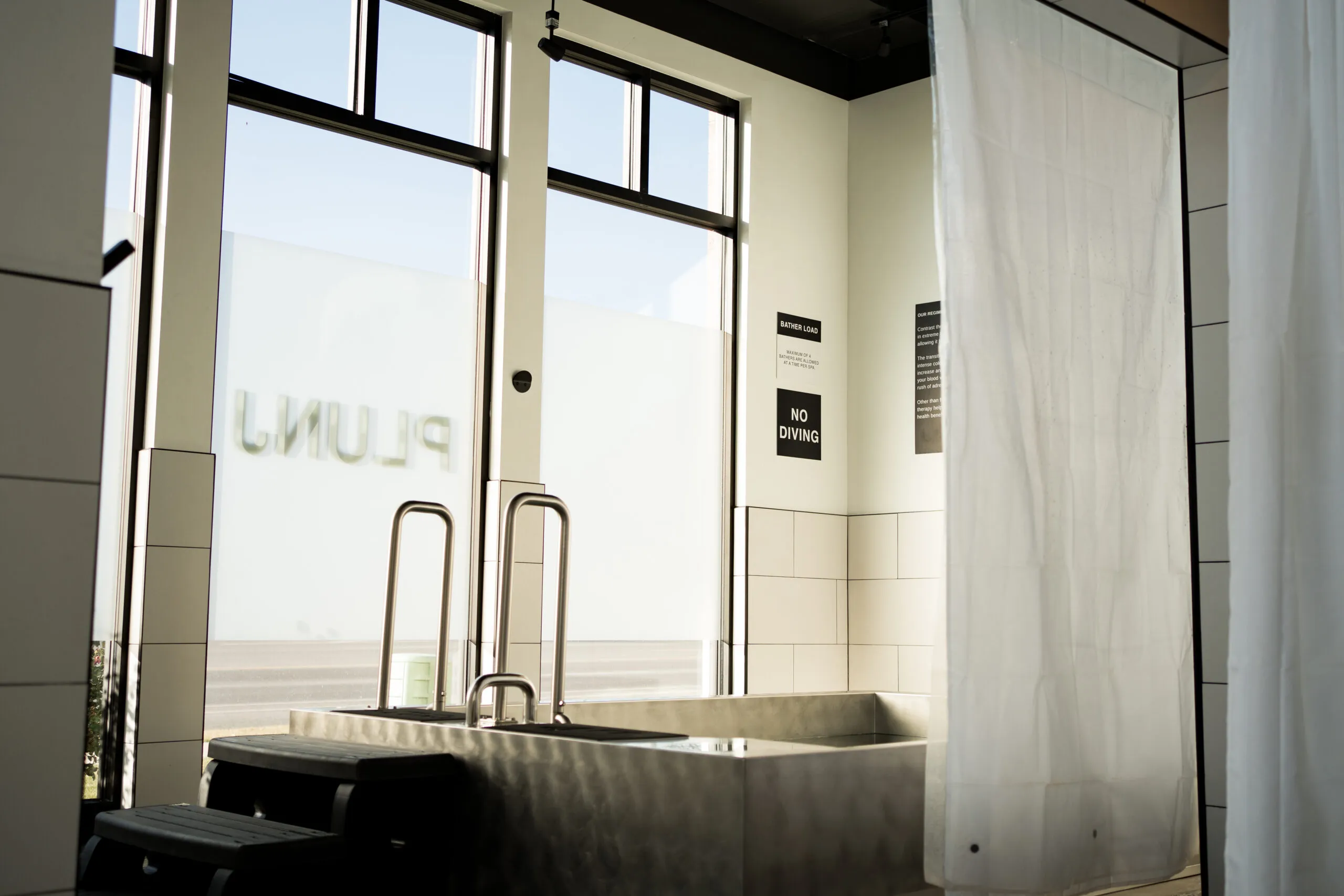
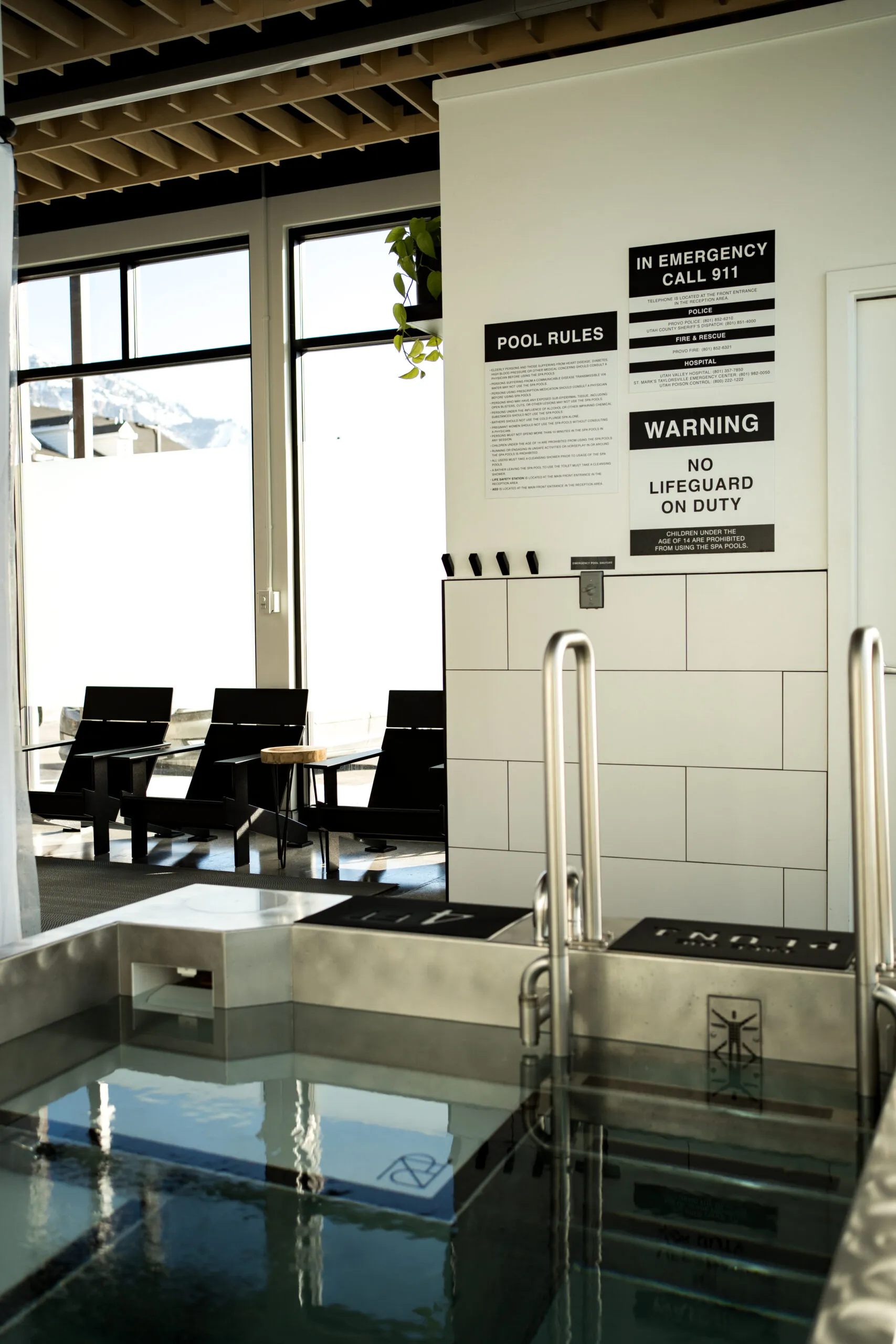
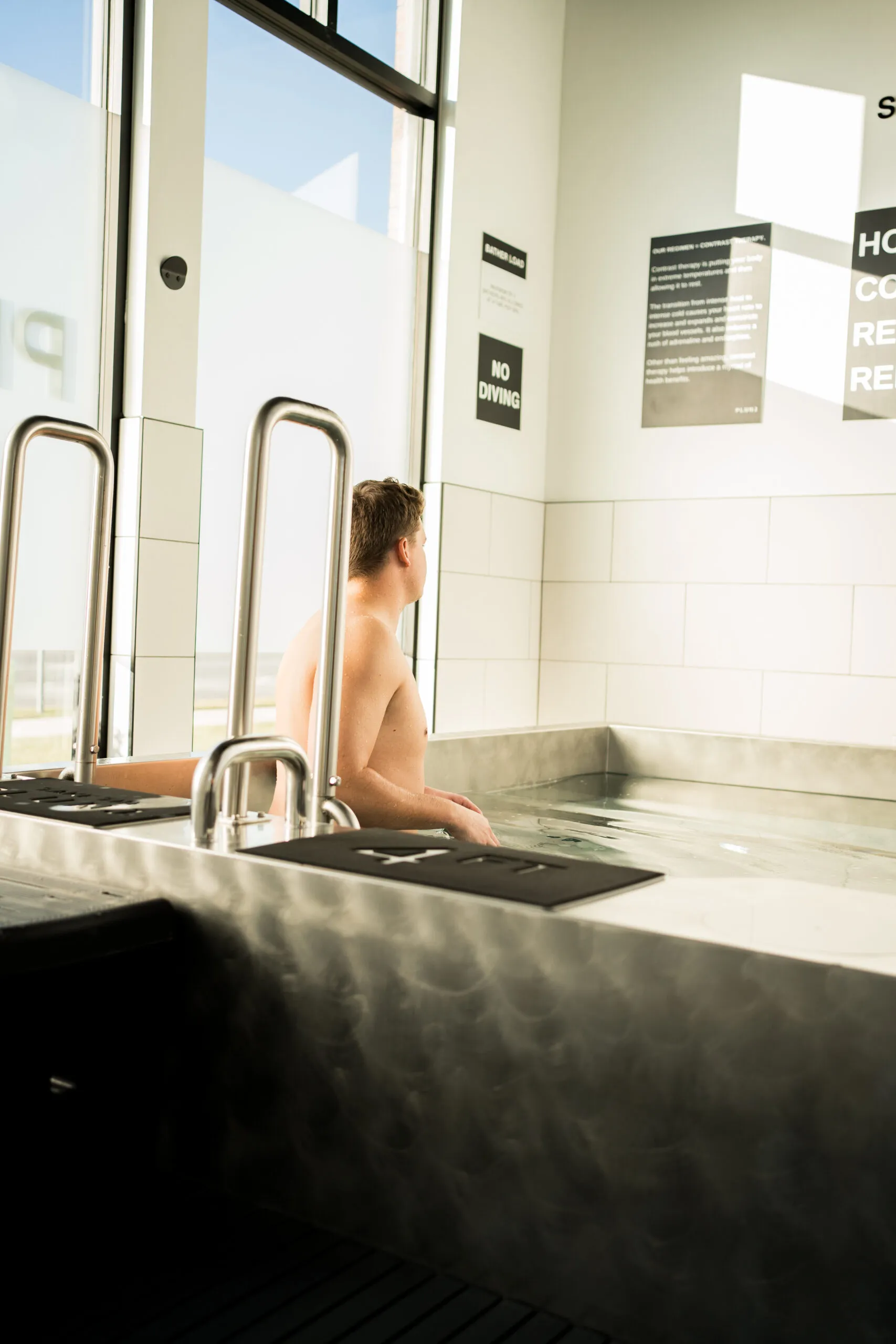
This is where contrast therapy—alternating between hot and cold exposure—becomes a game-changer for recovery.
Cold exposure reduces inflammation and temporarily numbs soreness. This is why ice baths have been used by athletes for decades.
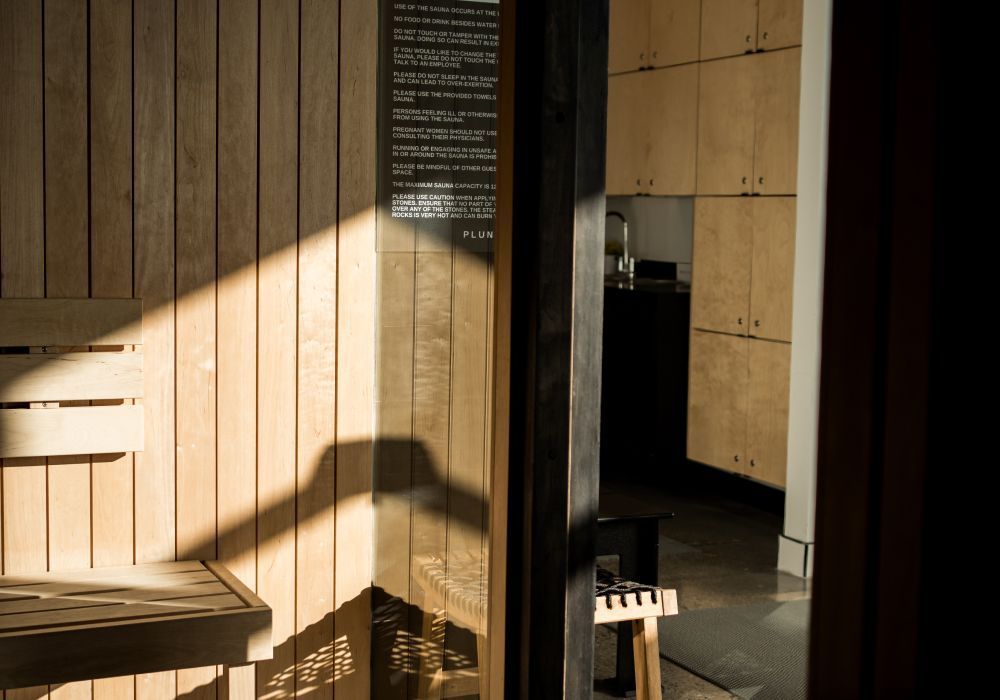
Heat exposure (sauna) increases blood flow and promotes relaxation, helping your parasympathetic nervous system activate (the "rest and digest" mode where repair happens).
The contrast cycle (hot → cold → hot) activates your cardiovascular system, pumping nutrient-rich blood to damaged tissues repeatedly. Research shows that regular contrast therapy can reduce soreness and accelerate muscle recovery compared to passive rest alone.
A study found that athletes using contrast therapy showed improved recovery markers and faster return to performance. At PLUNJ, our sauna and cold plunge experience provides an efficient, science-backed protocol for this.
The Recovery Stack: How to Layer These Methods
Here's how to combine these recovery methods for maximum effect:
Immediately post-workout (0-30 min):
- Consume protein + carbs
- Begin rehydrating with electrolytes
- Light stretching or walking
2-4 hours post-workout:
- Finish rehydrating
- Consider a contrast therapy session (sauna + cold plunge) or warm bath/cold shower
- Light active recovery (yoga, walk)
Evening:
- Magnesium-rich foods (supports sleep and relaxation)
- Cool, dark sleep environment
- 7-9 hours of sleep
24-48 hours:
- Continued light activity (walking, swimming)
- Additional contrast therapy if sore
- Proper nutrition at each meal
What About Stretching and Foam Rolling?
Stretching immediately post-workout shows mixed results. Gentle, dynamic stretching is fine, but intense static stretching can actually increase soreness if done right after exercise. Save deep stretching for 24+ hours later.
Foam rolling works similarly—it's more effective 24-48 hours after a workout when soreness is present, rather than immediately after.
Common Recovery Mistakes to Avoid
- Skipping the post-workout meal: Your muscles are "hungry" for nutrients in that first hour. Don't miss it.
- Training hard every day without recovery: Your body adapts during recovery, not during the workout. Overtraining without adequate recovery leads to plateaus and injury.
- Assuming more recovery = better recovery: There's an optimal amount. Overusing ice baths or spending excessive time in saunas without purpose doesn't accelerate results.
- Ignoring sleep: You can optimize everything else, but poor sleep will tank your recovery. Prioritize it.
The Bottom Line
Post-workout recovery isn't complicated, but it does require a system. Prioritize the fundamentals—nutrition, hydration, sleep, and active recovery—and layer in contrast therapy for accelerated results.
If you're serious about your gains, your recovery deserves the same attention as your training.
Ready to optimize your recovery? Book a contrast therapy session at PLUNJ and experience how cold and heat work together to accelerate muscle repair and reduce soreness.
Sources:
Ivy, J. L., Goforth, H. W., Damon, B. M., McCauley, T. R., Parsons, E. C., & Price, T. B. (2002). Early postexercise muscle glycogen recovery is enhanced with a carbohydrate-protein supplement. Journal of Applied Physiology, 93(4), 1337-1344.
Chanda, M. L., & Levitin, D. J. (2013). The neurochemistry of music. Trends in Cognitive Sciences, 17(4), 179-193.
Gibas-Dorna, M., Chęcińska, Z., Korek, E., Kupsz, J., Sowińska, A., & Krauss, H. (2016). Cold water swimming beneficially modulates insulin sensitivity in middle-aged individuals. Journal of Aging and Physical Activity, 24(4), 547–554.
Walker, M. (2017). Why We Sleep: Unlocking the Power of Sleep and Dreams. Scribner.
Peres, D., Prati, C., Mourot, L., Demartino, A. M., Sagawa, Y., Jr, & Tordi, N. (2023). Effects of an exercise program and cold-water immersion recovery in patients with rheumatoid arthritis. International Journal of Environmental Research and Public Health, 20(12).